01628 566531 sales@proactfiresafe.co.uk Mon–Fri, 8.30am–5pm Marlow, Buckinghamshire
Part of the Pro Fire Safety Group
Passive fire protection · Southern England

Passive fire protection that holds the line.

Fire stopping, fire doors, compartmentation surveys and remedial works — surveyed properly, installed properly, and photographed so you can prove it.

Compartmentation surveys

Fire doesn't need a big hole. It needs one you can't see.

Every defect located, photographed, rated and costed — with a prioritised remedial schedule you can actually budget from.

Certified · Audited · Evidenced

Third-party certified fire stopping, evidenced for audit.

BM TRADA Q-Mark certified installation, backed by UKAS-accredited product certification — independently audited, not self-declared.

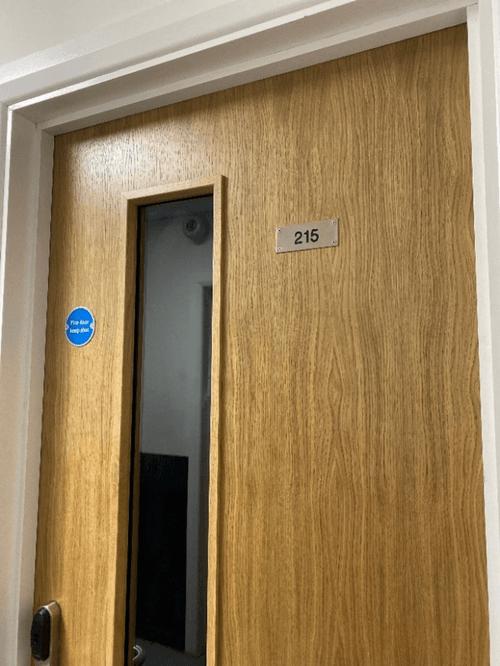
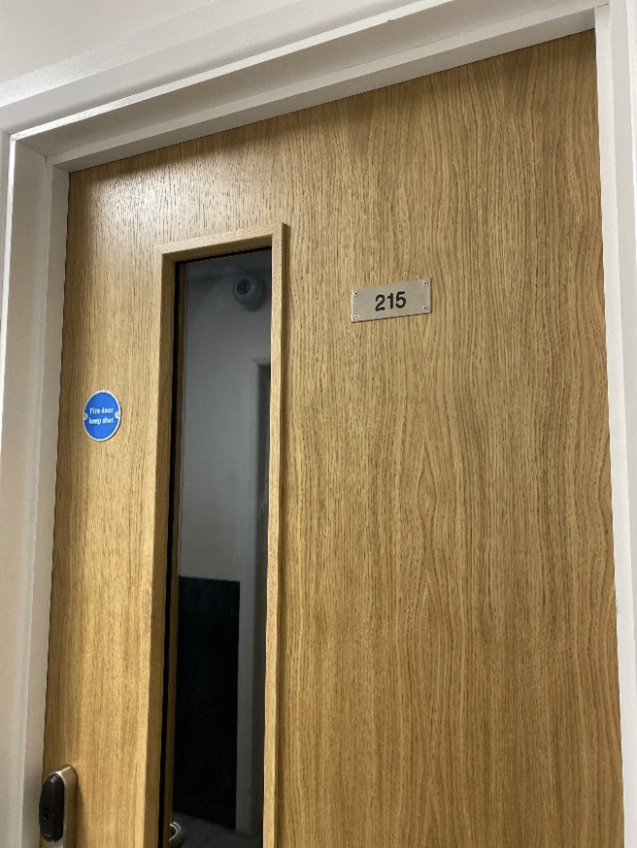
Certificated FD30 fire doorset
Over two decades of fire protection experience behind the team
Who we are

Passive protection specialists, nothing else.

We are a family-run business based in Marlow, working throughout southern England. Passive fire protection is all we do — the parts of a building that contain fire and smoke, rather than the alarms that detect it.

We survey, install and record the work, giving building owners, facilities teams, contractors and managing agents a clear evidence trail for insurers and auditors.

More about us

ProvenExperienced

Two decades of fire protection know-how behind every survey and install.

PersonalFamily-run

From our base in Marlow, Buckinghamshire — you deal with the people doing the work.

CoverageSouthern England

Surveys and remedial works across the Thames Valley, Home Counties and London.

Audit-readyFully evidenced

Every job photographed and documented, ready for insurers and auditors.

Passive protection services

Compartmentation is only as good as its worst penetration.

Cables get pulled, ducts get cut in, doors get replaced — and compartment lines quietly stop working. We find where, fix what matters first, and leave you a record.

Request a survey
Where buildings usually fail

The defects nobody sees on a walk-round.

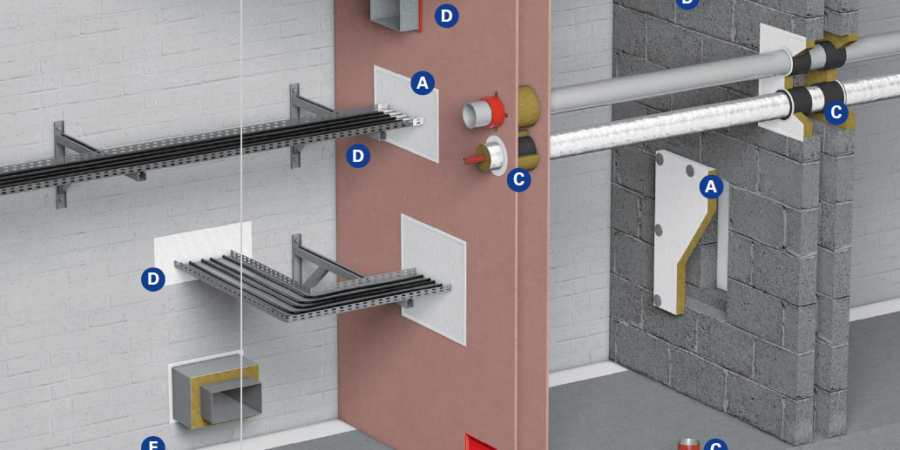
Breaches hide inside risers, above ceilings and in plant areas — the places other trades work and nobody checks what they cut through.

What our surveys uncover
Defect · Riser

Cables and pipes never resealed

Data and power runs pushed through compartment walls years after handover. The riser becomes a chimney straight to every floor.

Defect · Doorset

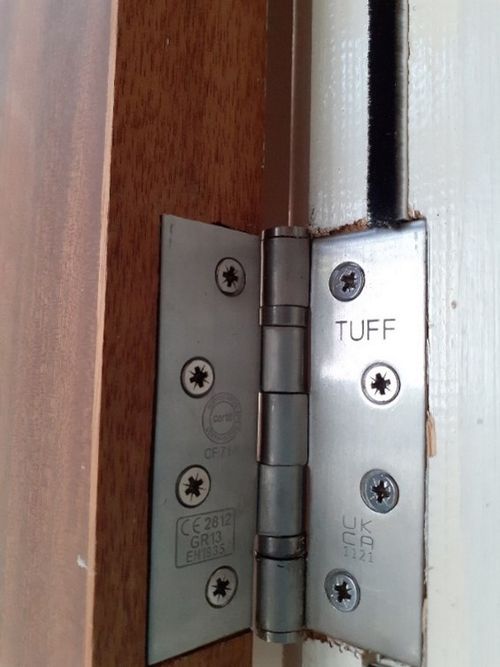
Gaps, missing strips, wrong hinges

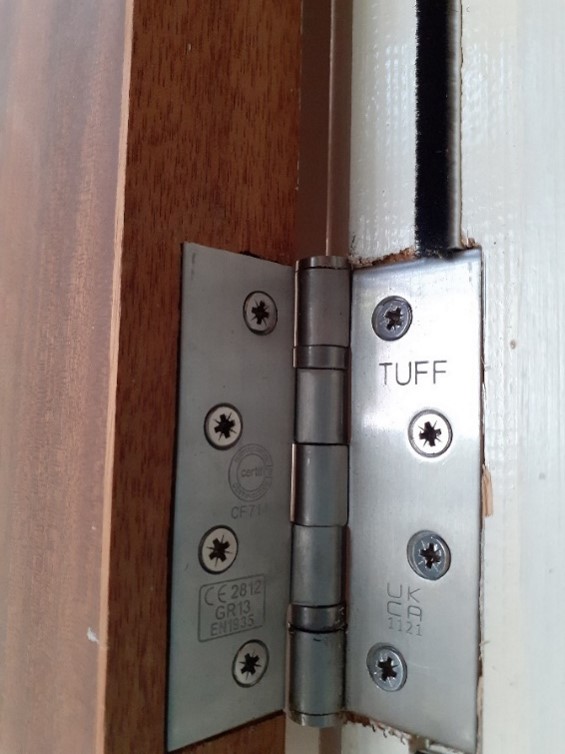
Excessive gaps, missing intumescent seals or non-rated ironmongery mean a fire door no longer performs as tested.

Defect · Plant areas

Ducts and dampers left open

Ductwork and dampers installed without the surrounding fire stopping leave a clear path for smoke between compartments.

Defect · Ceiling void

Compartment lines that stop short

Walls that end at the suspended ceiling rather than the slab let fire travel over the top, unseen.

Defect · Records

Historic works with no paper trail

When nobody knows what was ever done, nobody can prove compliance. We survey, record and hand you the evidence.

How we work

Four steps, no surprises.

A clear path from first visit to signed-off evidence — so you always know what's wrong, what it costs and when it's done.

Assess

Understand the building

Type of premises, compartmentation strategy, fire doors and anywhere protection may have been disturbed.

Inspect

Survey and identify

Every defect located, photographed and rated — each item tied to a real place in the building.

Plan

Prioritise and price

A costed schedule so you can phase or budget the work honestly.

ImmediatePlannedMonitor
Deliver

Complete and evidence

Certificated systems, recorded for audit and handover with photographs and product details.

Recent work

Passive protection in real buildings.

View all projects

Active and passive, under one roof.

Active protection detects a fire and helps people escape it. Passive protection contains it, buying the time that alarms and escape routes depend on. Same office, so nothing falls between them.

Combined proposal
Contain

Pro-Passive Fire Safety

Fire stopping, fire doors, compartmentation surveys and passive remedial works.

About the Pro Group
Detect & escape

Pro-Active Fire Safety

Fire alarms, extinguishers, emergency lighting, suppression and training.

Visit Pro-Active Fire Safety
Certified & audited

Third-party certified fire stopping installation

BM TRADA Q-Mark certified for Fire Stopping Installation, backed by UKAS-accredited product certification — independently audited, not self-declared.

Verified BM TRADA Q-Mark Fire Stopping Installation, UKAS accredited
Q-MarkBM TRADA
Fire Stopping Installation
UKAS accredited
SchemeQ-Mark Fire Stopping Installation
RegistrationNo. 4843
Approved scopePenetration seals · Linear joint seals · Cavity barriers · Air transfer grilles
View our certificate
Across southern England

Based in Marlow, protecting buildings across the South.

Larger survey and remedial programmes are taken on further afield. Unsure whether we cover your site? Call and ask.

Our baseMarlow, Buckinghamshire
Explore
Thames ValleyHome CountiesLondonSouth East
Common questions

Answers to what people ask us most.

Each answer has a full page of its own, written properly — here's the short version.

See all FAQs
Still not sure? Talk to us01628 566531
Active protection detects a fire and helps people escape — alarms, lighting, extinguishers. Passive protection is built into the fabric of the building to contain fire and smoke, buying time for everything else to work. Read more →
A located, photographed and rated record of every defect, tied to a place in your building, with a costed schedule split into immediate, planned and monitor. Read more →
We phase works around how the building is used — school calendars, theatre schedules, hospital wards — so protection improves without disrupting people. Read more →
Photographs, product and system details, locations and certification — a handover record that stands up to insurers and auditors. Read more →
Speak to our team of experts

Not sure what fire protection you need?

Tell us what's on site and we'll tell you what the standards require — honestly, and in plain English.